
2026-11-01 ·
Choosing The Right Siding For Freeze-Thaw Cycles In Missouri Winters
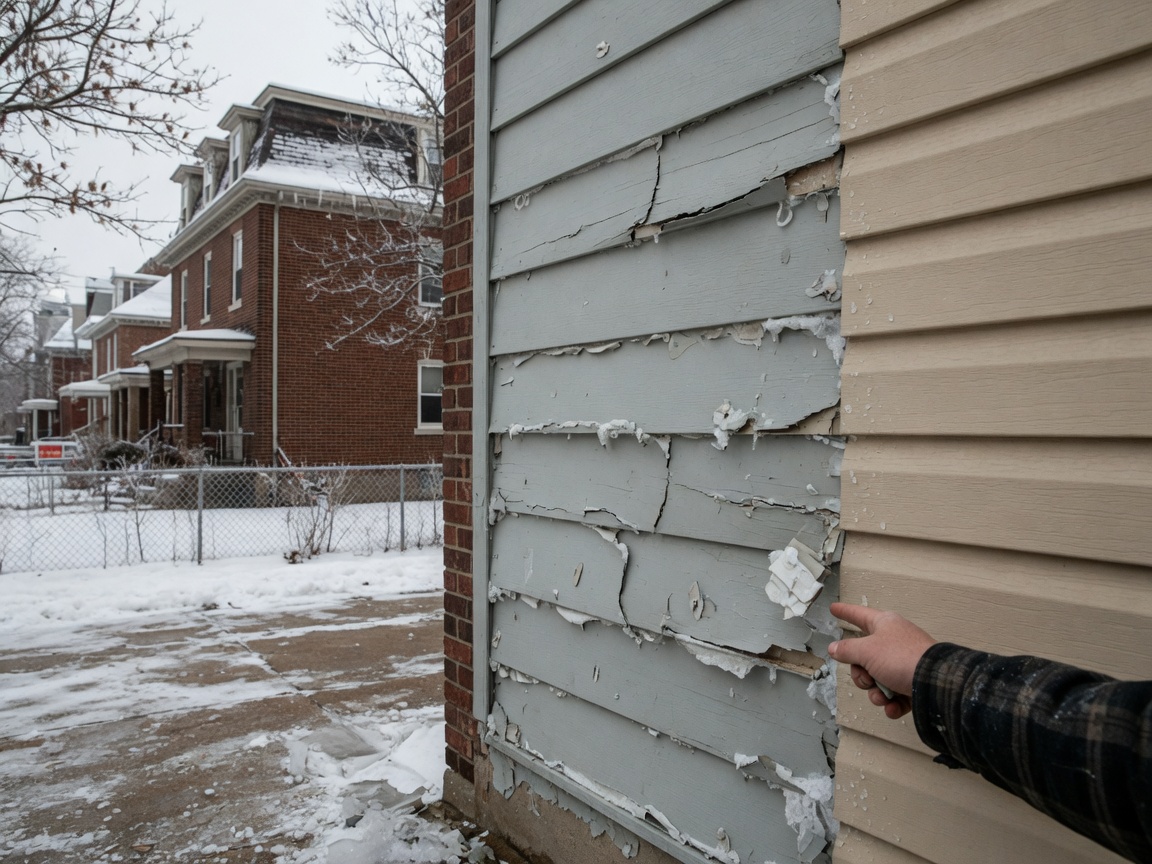
Fiber cement siding installed with proper expansion gaps and sealed joints holds up best against the 20–30 freeze-thaw cycles typical each winter in St. Louis. Vinyl siding with reinforced panels and quality underlayment ranks second when the substrate stays dry. Wood and thin aluminum require extra protection or frequent upkeep in this climate.
How Freeze-Thaw Cycles Affect Siding in St. Louis
St. Louis sits in a humid continental climate where daytime thaws followed by nighttime drops below freezing drive moisture into siding seams and behind panels. Older homes in Soulard and Lafayette Square often have 1880s–1920s balloon-frame construction with minimal insulation, so water that enters during a January thaw expands and cracks joints by morning. The same pattern repeats after March storms, shortening the life of unsealed wood or poorly vented vinyl. Downtown and Midtown brick row houses face added pressure from wind-driven rain off the Mississippi that pushes water into mortar lines and siding transitions. Proper material choice and flashing details reduce these stresses more than any other factor.
Material Options That Withstand Local Winters
Fiber cement boards expand and contract less than wood and resist moisture absorption when painted correctly, making them suitable for Tower Grove South and Benton Park homes exposed to frequent storms. Engineered wood with factory-applied primers performs well if all cut edges receive field sealant during installation. Standard vinyl works in Shaw and Forest Park Southeast when installers leave 1/4-inch gaps at ends and use vented soffits to release trapped air. Aluminum siding rarely cracks from ice but dents easily under hail common in spring, so it suits protected sidewalls more than street-facing elevations. Each material demands specific fasteners and housewrap details that match St. Louis wind loads and soil movement.
Installation Practices That Reduce Winter Damage
Start with a siding inspection to identify soft sheathing before new panels go up. Remove old siding completely in areas like The Hill where previous layers trap moisture against brick. Install a high-perm housewrap, then apply self-adhered flashing at all window and door openings. Leave expansion space at every joint and corner, especially on north-facing walls that stay shaded longer. Tie new siding into existing gutters and downspouts so meltwater from roofs does not pool at the base. These steps appear in residential siding installation work across University City and Webster Groves where similar age and exposure conditions exist.
Readers who want deeper cost details can review A Homeowner's Guide To Siding Installation Costs In St. Louis Neighborhoods. Those noticing early cracks after recent storms should read How To Spot Early Signs Of Siding Damage From St. Louis Summer Storms before winter arrives.
Ongoing Care for Freeze-Thaw Protection
Inspect caulk lines around windows each fall and reapply as needed before temperatures drop. Keep gutters clear so water does not overflow onto siding during thaws. In Carondelet and areas near the Missouri Botanical Garden, mature trees drop leaves that hold moisture against lower courses; trimming branches 18 inches away prevents this contact. Midwest Siding maintains regular hours Monday through Friday 8am–6pm and Saturday 9am–2pm for homeowners scheduling inspections or repairs ahead of the first hard freeze.