
2026-11-01 ·
How To Spot Early Signs Of Siding Damage From St. Louis Summer Storms
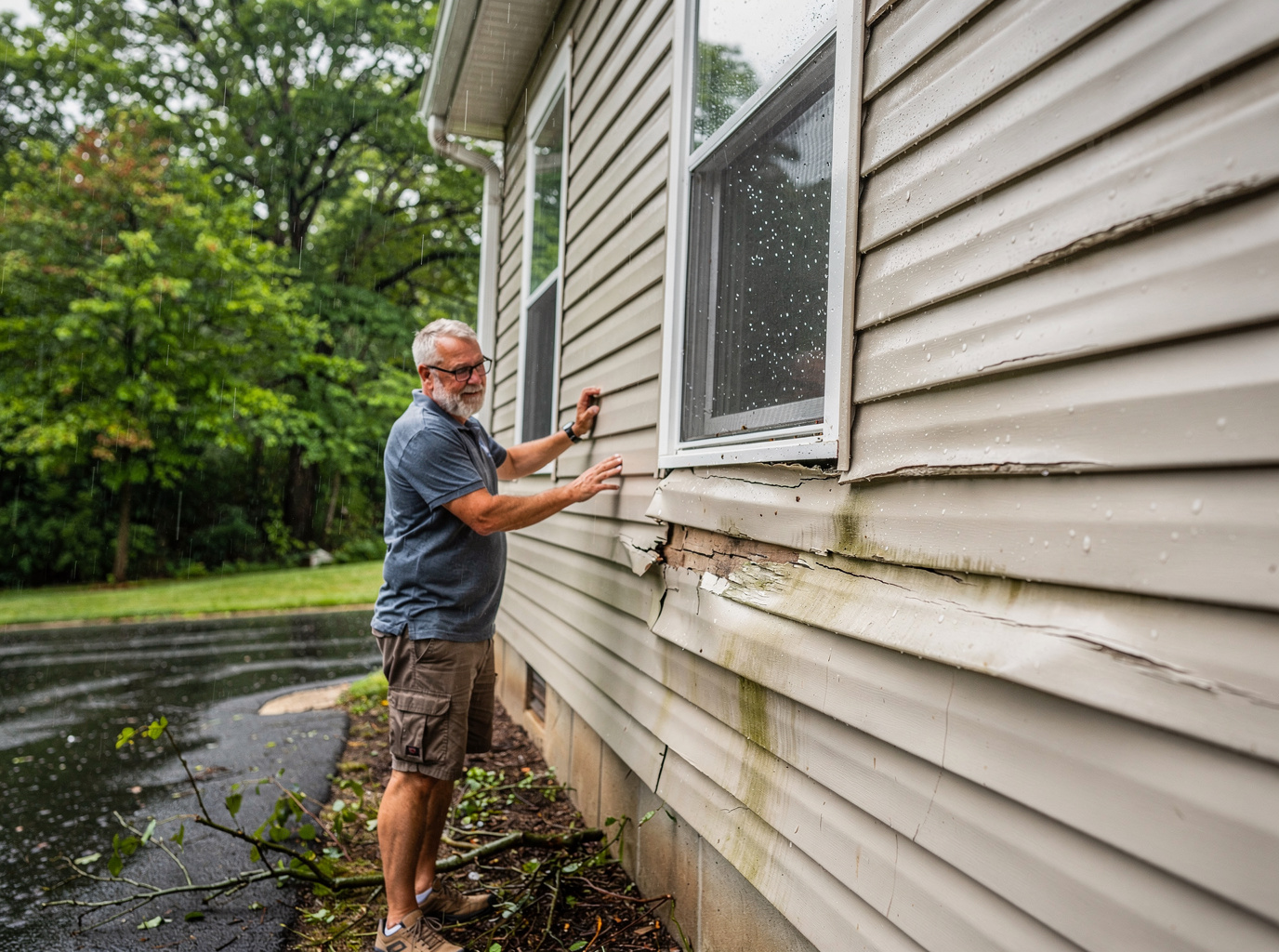
St. Louis summer storms often leave small cracks, dents, and loosened panels on siding within days of a severe event, especially on homes in Soulard and Tower Grove South where many structures date to the early 1900s. Checking after each storm for these marks lets owners address problems before moisture reaches the sheathing.
Checking For Hail Impact Marks
Hail from humid continental storms frequently strikes vinyl and aluminum siding in St. Louis neighborhoods such as Lafayette Square and Shaw. Look for small circular dents that do not push through but still crack the finish layer. On wood siding common in The Hill, check for splintered surfaces that collect water. Run a hand along lower courses after a storm to feel for raised edges that indicate hidden fractures. These marks appear first on south and west exposures because storms typically move from those directions across the Mississippi River valley. Early detection here stops rot from starting in the 8–12 inch gaps between studs on older balloon-frame houses.
Spotting Wind And Debris Damage
High winds during summer storms drive branches and loose roof gravel into siding across Downtown and Midtown. Examine seams for pulled nails or popped fasteners that allow panels to shift. In Forest Park Southeast, where trees line many streets, check for linear scratches or gouges that expose the substrate beneath paint or vinyl color. Lift the bottom edge of each panel slightly with a gloved hand to see if the nailing hem remains secure. Homes near Busch Stadium often show this damage first because open lots let winds accelerate. Addressing these spots quickly keeps water from entering during the next rainfall.
Looking For Moisture Intrusion Signs
After storms, watch for dark streaks or mildew lines forming along the bottom 2–3 feet of siding in areas like Carondelet and Benton Park where soil stays damp longer. These lines signal that caulk has failed or a panel has bowed enough to let water behind it. Press gently on suspect areas; soft spots mean the sheathing has started to absorb moisture. In Tower Grove South brick homes with vinyl overlays, check where siding meets the foundation for gaps that widened during wind gusts. Catching this early avoids insulation damage that shows up as higher cooling bills in the hot months that follow.
When Professional Inspection Helps
If multiple signs appear on one wall or the home sits in a storm path like the Delmar Loop, schedule a siding inspection to confirm the extent. Technicians can measure panel movement and check for hidden hail dents that homeowners miss. For storm-related issues, storm-damaged siding repair restores the surface before winter arrives. Homeowners planning updates can review A Homeowner's Guide To Siding Installation Costs In St. Louis Neighborhoods to compare material options that hold up better against future severe weather.